
Currently Empty: ₹0.00
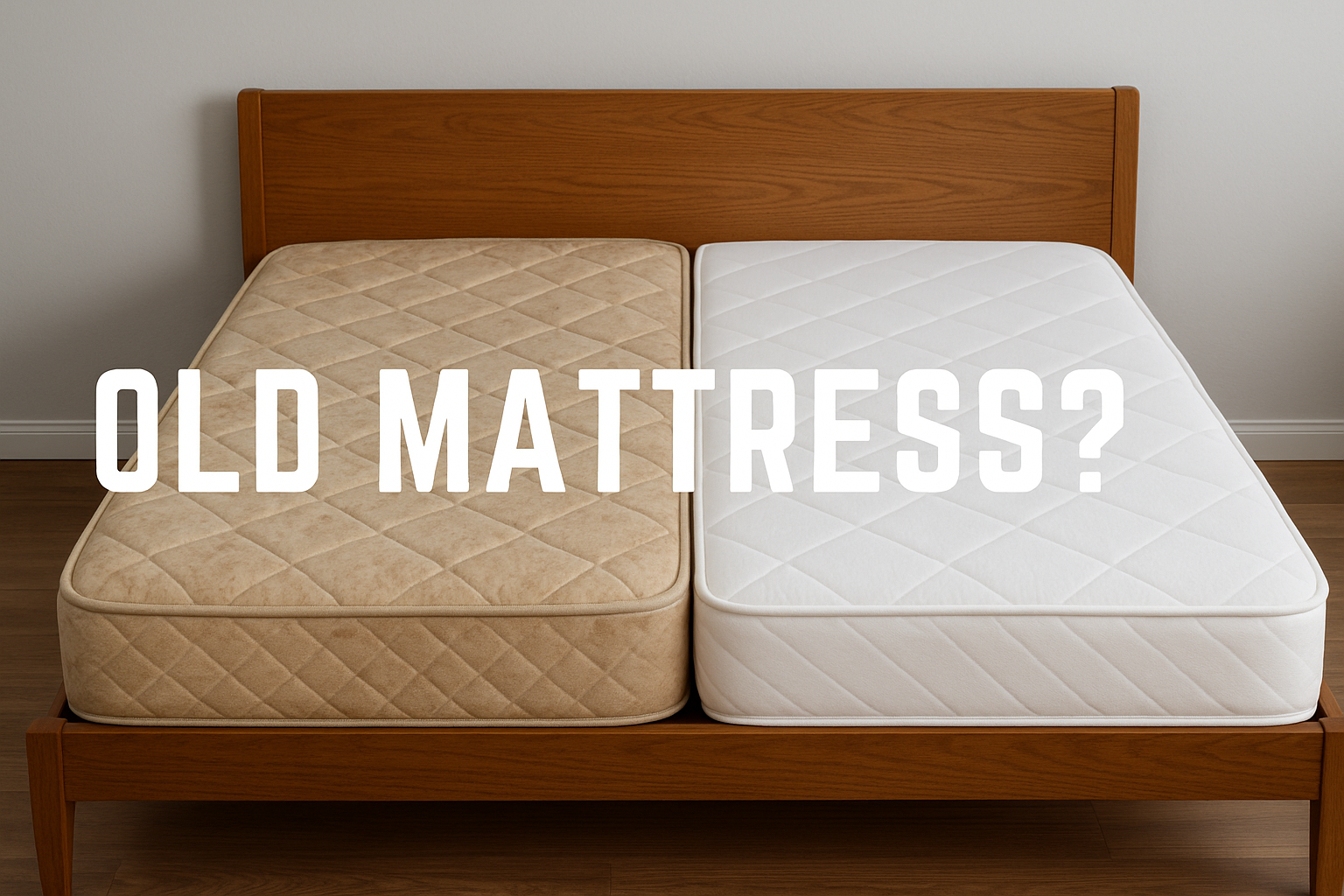
What to do with an old mattress:
Replacing your old mattress with a new one is exciting—you finally get the comfort and support you deserve! But then comes the big question: what should you do with the old mattress?
A mattress is bulky, heavy, and not something you can simply toss out. Fortunately, there are smart, sustainable, and even creative ways to deal with it. Here are some practical ideas:
- Donate it
If your old mattress is still usable (clean, no major sagging or damage), consider donating it. Many charities, shelters, and non-profit organizations accept gently used mattresses. This way, someone in need benefits, and you reduce waste.
When is a Mattress Suitable for Donation?
A mattress is generally considered “donation-ready” if it meets the following criteria:
- No Stains, Tears, or Holes: It must be clean.
- No Bed Bugs or Infestations: This is a strict requirement for health reasons.
- Structural Integrity: It must be fully supportive with no broken springs or severe sagging.
Where to Donate Your Old Mattress:
- Local Shelters: Homeless shelters, domestic violence shelters, and transitional housing programs are often in need of beds. Call ahead as their rules on accepting mattresses can be very strict.
- Charity Organizations: Organizations like the Salvation Army or Habitat for Humanity ReStore may accept mattresses, but policies vary greatly by location. Always check their website or call first.
- Freecycle/Buy Nothing Groups: Posting it as a free item on neighborhood social media groups is a great way to ensure it finds a new home quickly.
Important Note: Due to health regulations, many major charities (like Goodwill) do not accept used mattresses. Don’t waste a trip—confirm their policy before loading up your car!
- Recycle the Mattress
Did you know that nearly 80–90% of mattress materials can be recycled? The metal springs, wood, and foam can all be repurposed. Check if your city has a mattress recycling program or drop-off center.
Benefits of Recycling or Upcycling an Old Mattress
- Reduces landfill waste
- Saves money on pet beds, cushions, etc.
- Can earn money if resold
- Contributes to sustainability
- Encourages creativity
- Repurpose the Parts
Get creative and use the materials in DIY projects-:
- Foam → Pet beds or floor cushions
- Springs → Garden trellises, wine racks, or craft projects
- Wooden frame → Shelves, compost bins, or firewood
- Disposal (When Other Options Fail)
If your mattress is stained, torn, or otherwise unusable for donation or recycling, you’ll need to turn to a formal disposal service.
1. Bulk Trash Pickup
- Check Your Municipality: Most cities and towns offer scheduled bulk item pickup a few times a year, or upon request for a small fee. They will typically specify how many items (like mattresses and box springs) you can put out and how to prep them (e.g., wrap them in plastic).
2. Hauling Service or Junk Removal
- Hire Professionals: Companies like 1-800-GOT-JUNK? or local junk removal businesses specialize in picking up large, cumbersome items. This is the most convenient option, as they do all the heavy lifting, but it is also the most expensive.
3. Landfill Drop-Off
- Do It Yourself: You can transport the mattress to your local landfill or transfer station yourself. Be prepared to pay a tipping fee, which is based on weight or a flat rate per item.
Common Problems When Removing an Old Mattress:
Upgrading to a new mattress is exciting, but getting rid of the old one? Not so much. Mattresses are bulky, heavy, and awkward to handle, making removal a frustrating task for many households. Here are some common problems people face when removing an old mattress—and how to deal with them.
- Narrow Doorways and Staircases
- It’s Too Heavy and Hard to Move
- Disposal Restrictions
- Finding a Responsible Way to Get Rid of It
- Unexpected Costs
Tips
How to Increase the Life of Your Mattress by Taking Care of It ?
- Use a Mattress Protector
A waterproof, breathable protector shields your mattress from dust, sweat, spills, and allergens. This not only keeps it clean but also prevents damage from moisture and stains.
- Avoid Jumping on the Bed
Kids (and sometimes adults!) may enjoy jumping on the bed, but it can damage the springs and foam layers inside, reducing the mattress’s lifespan.
- Rotate Your Mattress Regularly
Rotating your mattress every 4 months helps prevent uneven wear and sagging. Some mattresses can also be flipped—check your manufacturer’s guidelines.
- Follow Manufacturer’s Care Instructions
Different types of mattresses (memory foam, hybrid, latex, spring) have different care needs. Always follow the care label for best results.
FAQs
Q. Can I throw my old mattress in the trash?
Only if your city allows bulk pickup. Otherwise, it should go to recycling or a removal service.
Q. Can an old mattress be reused?
Yes, if it’s clean and pest-free.
Q. How much of a mattress is recyclable?
Up to 80–90% depending on the material.